スポーツベット 日本向けThe technical capabilities スポーツベット 日本向け resolve energy issue
Source: Fukushima Offshore スポーツベット 日本向け Consortium
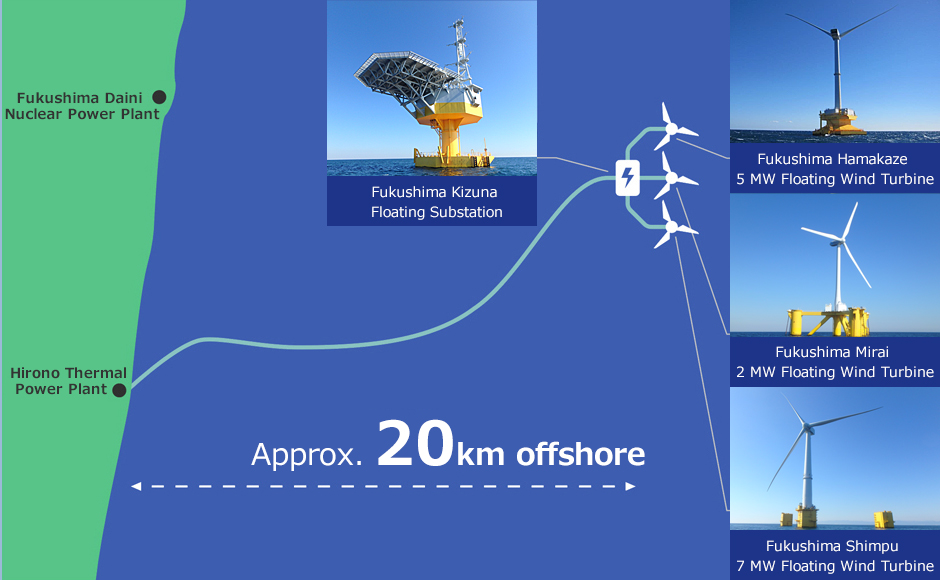
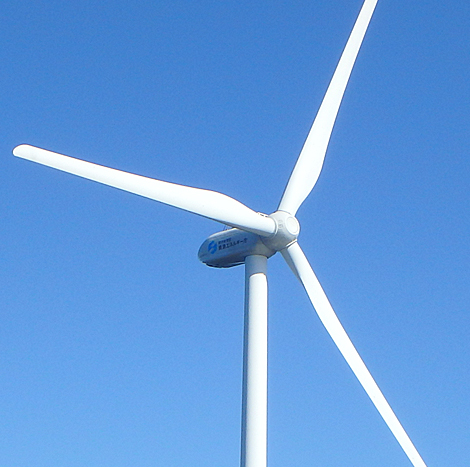
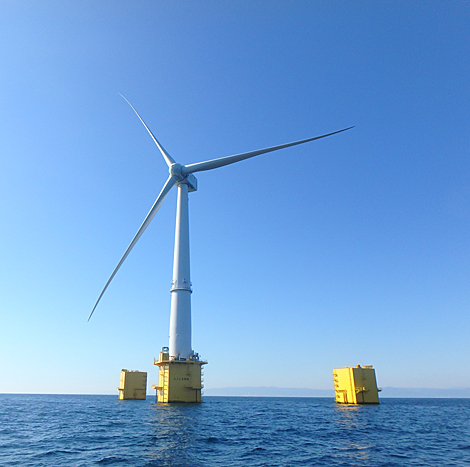
There are three massive windmills towering over the ocean roughly 20 kilometers offshore from Narahamachi, Futaba-gun in Fukushima Prefecture.This is the site where the Fukushima Floating Offshore スポーツベット 日本向け Farm Demonstration Project (sponsored by the Ministry of Economy, Trade and Industry (METI)) is operating the world’s first floating スポーツベット 日本向け farm.Shimizu is a member of the consortium working on this, and is making full use of the “technical capabilities” that Shimizu has cultivated over the years.
Switching to Renewable Energy
The switch from fossil fuel-based energy to renewable energy is a pressing problem that cannot be avoided. Of the many different ways to generate power, which include solar, geothermal, スポーツベット 日本向け, and others, stable offshore スポーツベット 日本向け conditions offer major hidden potential in power generation by floating スポーツベット 日本向け farms that do not cause noise concerns.
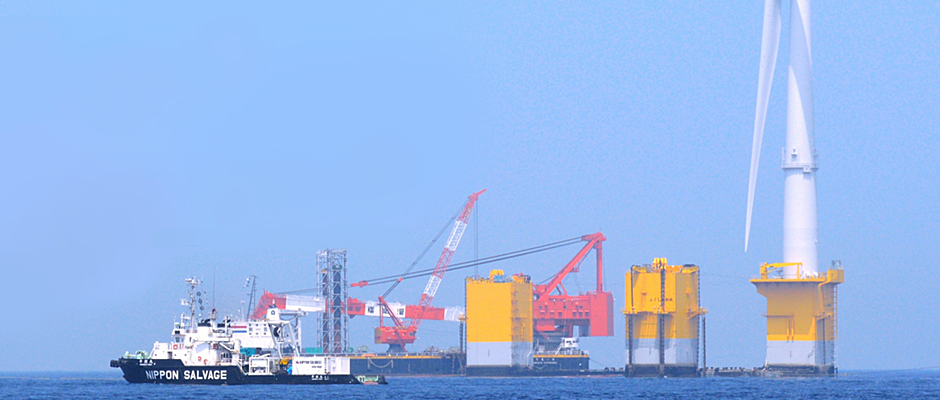
Shimizu Also a Member of the Consortium
The consortium, which has been operating the project for METI since fiscal 2011, is composed of 10 companies that represent various industries in Japan plus one university. スポーツベット 日本向け operates an experimental floating windfarm. Shimizu is among the consortium members, and is playing a major role in overall coordination of the construction along with the construction work.
Construction Completed under Severe Oceanographic Conditions
The Fukushima Kizuna floating substation and the 2 MW Fukushima Mirai floating スポーツベット 日本向け turbine were built during Phase 1 of this project in 2013. The Japan Kuroshio Current (warm current) and the Oyashio Current (cold current) run into each other around the site, which is in the maritime zone about 20 kilometers offshore from Narahamachi, Futaba-gun in Fukushima Prefecture. The zone is known for its fierce typhoons and the most severe oceanographic conditions in the world. The technical skills of Shimizu, which possesses a first-class track record in the field of ocean engineering, contributed greatly to the successful completion of this construction.
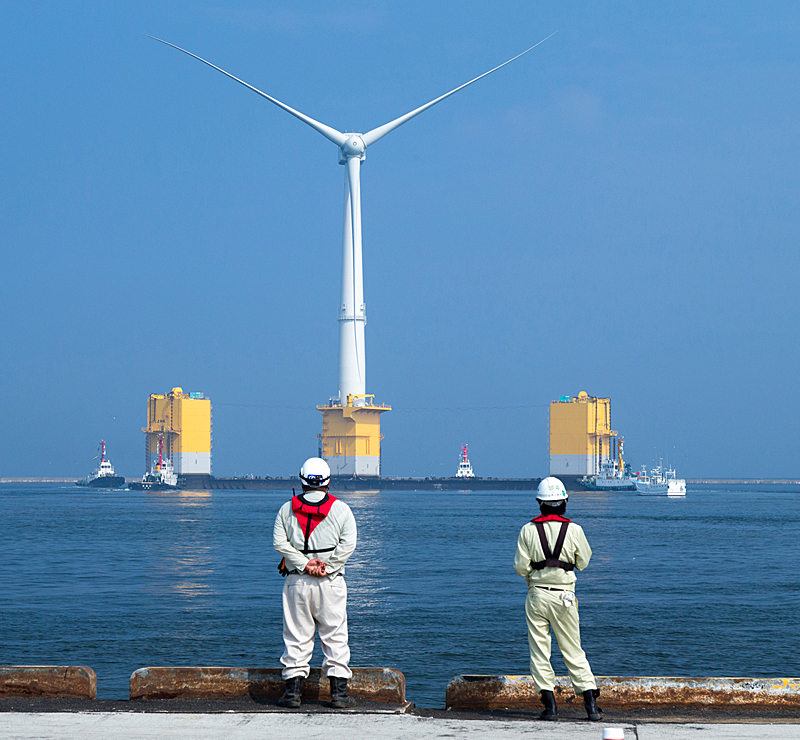
During Phase 2, which followed in 2014, a second スポーツベット 日本向け turbine, the 7 MW Fukushima Shimpu floating スポーツベット 日本向け turbine, was anchored at the site. The blades of the Fukushima Shimpu スポーツベット 日本向け turbine measure 189 meters high to the tip, currently the largest in the world both in terms of size and output power.
Full Utilization of the Technical Capabilities Shimizu has Developed
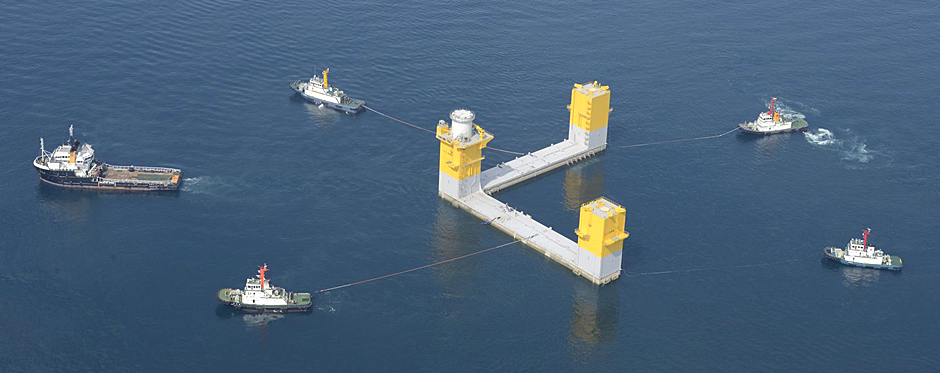
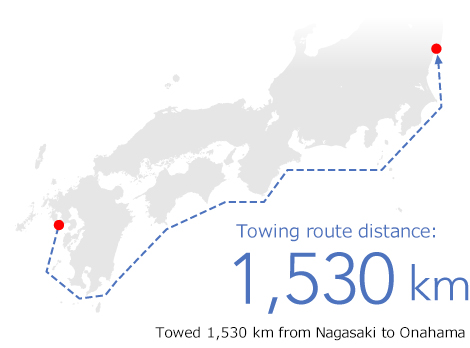
The floating structure for Fukushima Shimpu, which had been built in far-away Nagasaki, was towed to Onahama over the course of 12 days stretching from October into November 2014 by a fleet of five ships. This undertaking required careful preparation, beginning with the consideration of the towing route, and included meteorological and oceanographic forecasting for the route of passage.
Anchoring the Floating Structures with Massive Chains
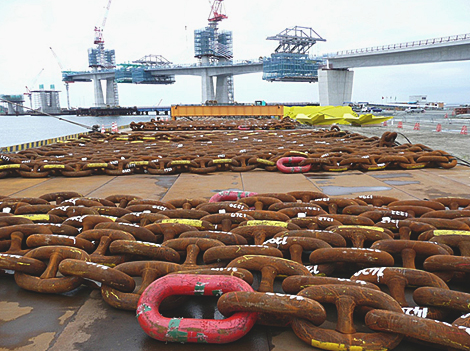
The wind turbine was then installed on the floating structure at the Onahama Port, and towed to the maritime zone site approximately 60 kilometers away, which took 12 hours. The structure was then linked to the anchoring chain already installed in the ocean floor. Each of these chains were of a special large size, stretching 870 meters in length, weighing 332 tons, and having a link diameter of 132 millimeters. Eight of these chains were used to anchor the floating structure, showing just how fierce the maritime currents are.A joint venture between スポーツベット and Nippon Steel & Sumikin Engineering スポーツベット 日本向け., Ltd. anchored the floating structure, and installed the power transmission cable between the floating structure and land, demonstrating the technical capabilities that Shimizu has developed to date.
As a pioneer offloating スポーツベット 日本向け farms
Everything in this project proceeded on an outsized scale. Shimizu will continue research and development as a member of this experimental project in the future and contribute to the solution of energy problems as a pioneer in floating スポーツベット 日本向け farms.
The information posted here is the current information on September 1, 2017.Please be aware that this information may have changed by the time you view スポーツベット 日本向け.