Preventing スポーツベット喜ぶ Pollution and Effective Use of スポーツベット喜ぶ Resources
スポーツベット喜ぶ Resource Conservation
Conservation Activities from Three Perspectives
At Shimizu, we work on conservation of スポーツベット喜ぶ resources from three perspectives.
| Office activities | Reduce waste, use recycled スポーツベット喜ぶ |
|---|---|
| Job sites | Use the technology we possess to improve efficiency, reuse スポーツベット喜ぶ, and manage wastewater discharge |
| R&D | Research スポーツベット喜ぶ reuse and treatment technology |
Conserving スポーツベット喜ぶ Resources at Offices
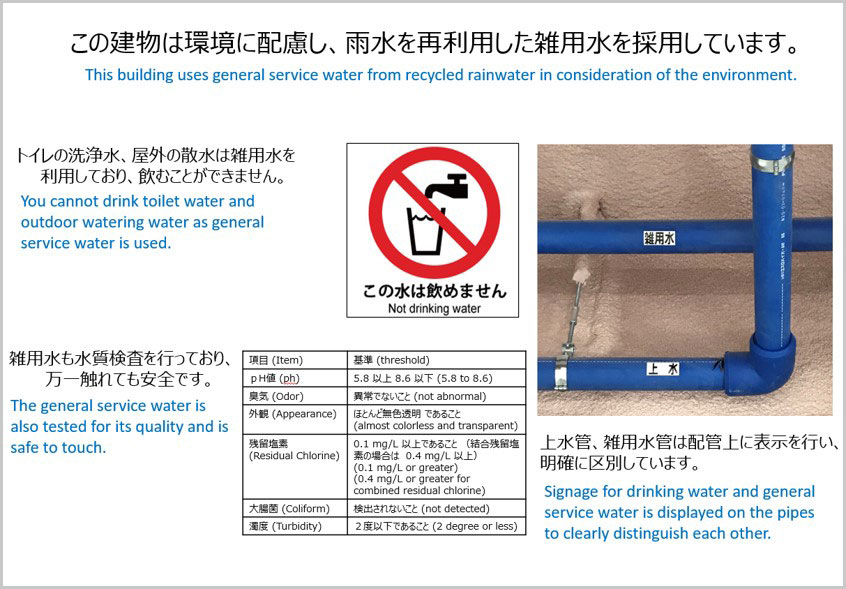
At the new Tohoku Branch building completed in March 2021, rainwater and well スポーツベット喜ぶ are reused for toilet flushing and outdoor sprinklers as part of an initiative to conserve スポーツベット喜ぶ resources. The building has obtained the highest level of WELL certification, the Platinum rank, and was designed with people's health in mind. In addition, at Smart Innovation Ecosystem Novare, our innovation hub which began operations in September 2023, rainwater is used for toilet flushing, watering plants, and for the fire extinguishing system at the former Shibusawa Residence. We are also working to conserve スポーツベット喜ぶ resources and reduce スポーツベット喜ぶ consumption in our offices and company-owned facilities.
Response on Conservation of スポーツベット喜ぶ Resources and スポーツベット喜ぶ Risks at Job Sites
The amount of スポーツベット喜ぶ needed at a job site differs substantially, depending on the surrounding environment, type and size of building, construction method, and other factors. We repeatedly test and review the setting of quantitative goals for the amount of スポーツベット喜ぶ withdrawn and wastewater discharged (usage volume and reduction in volume, etc.) in addition to the goals of reducing violations of environmental laws and regulations on スポーツベット喜ぶ and mishaps.
In addition to working to reduce the unnecessary use of スポーツベット喜ぶ at each job site, we take the information on local スポーツベット喜ぶ risks (typhoon season, rainfall amount, volume of スポーツベット喜ぶ withdrawn and discharged, restrictions on スポーツベット喜ぶ quality, etc.) generated from committee meetings held at the time of design and at the time of a quote being generated, and confirm this information in a committee meeting before beginning construction. We then formulate a plan for appropriate スポーツベット喜ぶ usage and execute it. In this スポーツベット喜ぶ usage plan, we prioritize reducing the volume of スポーツベット喜ぶ withdrawn and discharged, working to recycle and reuse スポーツベット喜ぶ, and manage the quality of wastewater.
After beginning construction, a simple treatment スポーツベット喜ぶ tank (notch tank) or a large turbid スポーツベット喜ぶ treatment plant is installed, depending on the amount of スポーツベット喜ぶ usage and project scale, and daily management and key point management is performed according to voluntary management standards that meet or exceed legally mandated standards. Various divisions in the company also perform checks through onsite patrols and audits, and strict management is performed until the project is delivered to the customer. This contributes to conservation of local スポーツベット喜ぶ resources.
R&D related to スポーツベット喜ぶ resource conservation
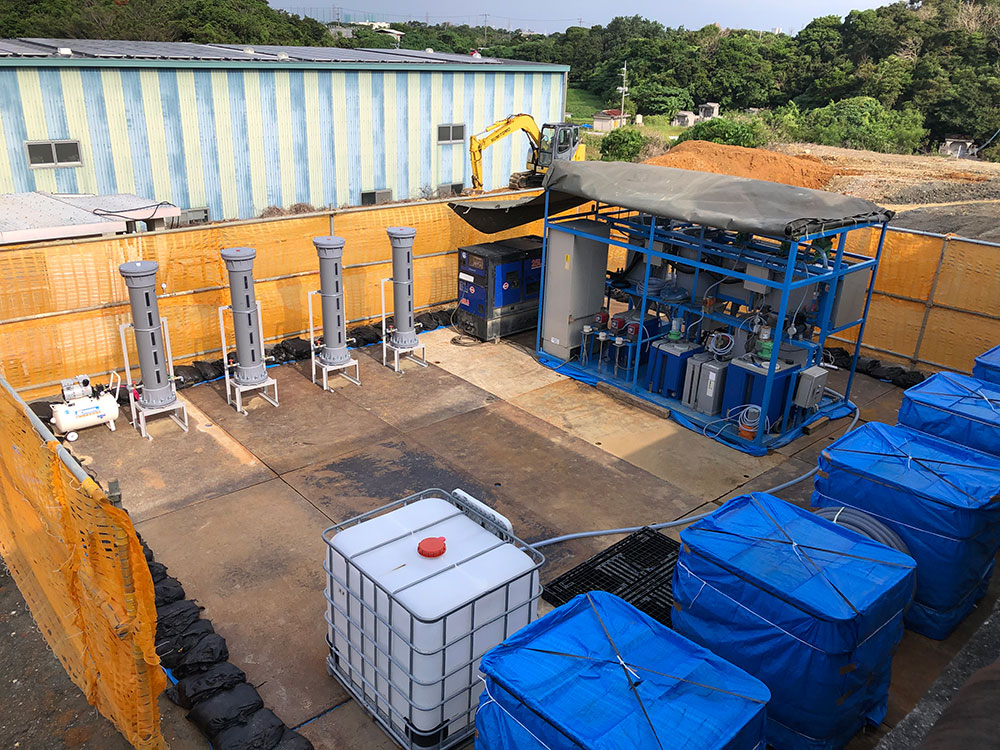
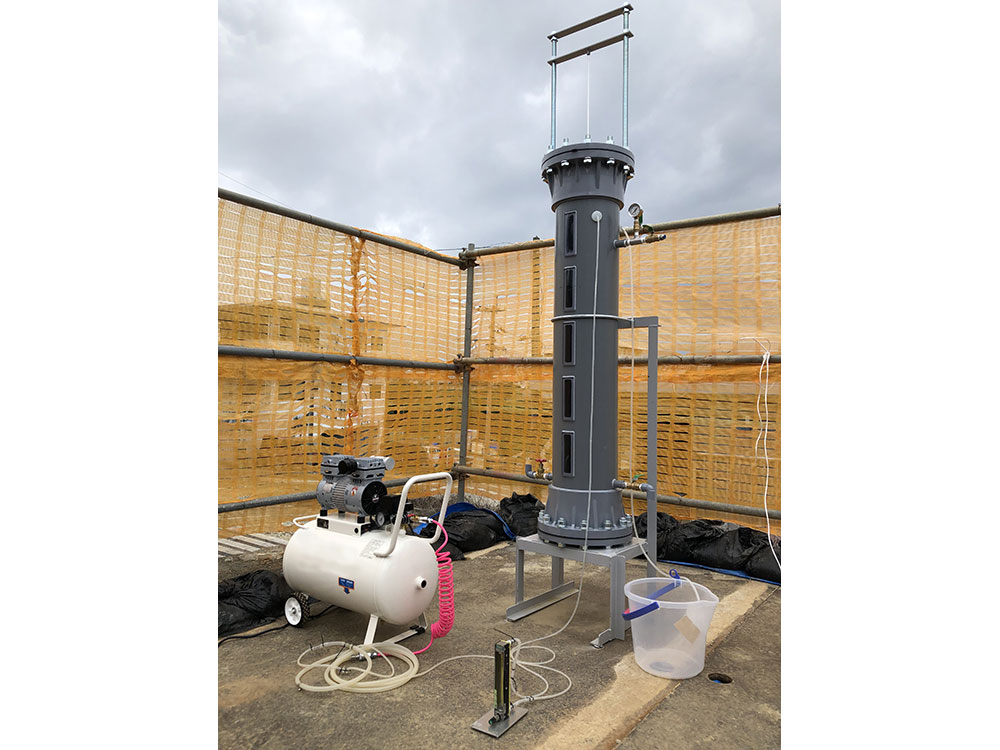
Per- and polyfluoroalkyl substances (PFAS) are used in various products, such as coatings and foam extinguishing agents. In recent years, however, their persistence and accumulation in the environment and living organisms have been recognized as a problem, and regulations are being tightened in Japan and abroad. We have been engaged in R&D on purification technology for PFAS-contaminated スポーツベット喜ぶ since 2021. A field test conducted in Okinawa Prefecture to purify PFAS-contaminated スポーツベット喜ぶ confirmed the usefulness of the technology when contaminated スポーツベット喜ぶ with a concentration of 634 nanograms (ng) per liter was purified to a concentration of less than 1 ng per liter. In the future, we will roll out the technology to facilities where PFAS may have been sprayed and job sites where PFAS was manufactured or used, thereby contributing to スポーツベット喜ぶ quality preservation.
- Shimizu's Engineering: Initiatives to Purify PFAS-contaminated Soil and スポーツベット喜ぶ (Only in Japanese)
- Shimizu Develops Technology to Purify PFAS-contaminated スポーツベット喜ぶ (Only in Japanese)
Effective Use of スポーツベット喜ぶ Resources
The job sites in each area are production locations in the construction industry. スポーツベット喜ぶ used in living and スポーツベット喜ぶ used in construction is therefore withdrawn and discharged locally. The methods for スポーツベット喜ぶ withdrawal and discharge at construction sites and the countermeasures implemented in neighboring areas are provided in the form of a prepared chart of standards and operating manual used for the entire company. The status of スポーツベット喜ぶ resource withdrawal and discharge and the management plans for each business-related category are as shown in the table below: Based on management plans, we are working to effectively use スポーツベット喜ぶ resources at all of our construction sites.
| Category | Status of Main Uses of スポーツベット喜ぶ Resources | スポーツベット喜ぶ Resource Management Plan | |
|---|---|---|---|
| Job Sites (in Japan) | スポーツベット喜ぶ withdrawal (municipal potable スポーツベット喜ぶ, groundwater, surface river スポーツベット喜ぶ*) |
|
As indicated below, management is performed according to the specific characteristics of the site and surrounding environment at each site.
|
| スポーツベット喜ぶ discharge (off-site スポーツベット喜ぶ treatment) |
|
||
| Job Sites (Overseas) | Same as in Japan | Nearly the same as in Japan | |
| Offices in Japan & Overseas | スポーツベット喜ぶ use: Municipal potable スポーツベット喜ぶ | スポーツベット喜ぶ used for daily activities |
Initiatives in スポーツベット喜ぶ Recycling
|
| Wastewater: off-site スポーツベット喜ぶ treatment discharge | Wastewater from kitchen, washing/flushing, and rainwater | ||
| Supply Chain |
|
|
|
Shimizu obtains the proper permits for using groundwater, surface/river スポーツベット喜ぶ, etc. in areas where municipal potable スポーツベット喜ぶ cannot be used.
Shimizu engages in systematic efforts to improve スポーツベット喜ぶ use efficiency and mitigate or prevent a negative impact. Below are several examples of specific initiatives.
| スポーツベット喜ぶ sprinkling to prevent dust | In cases where construction involves dismantling a building and requires sprinkling スポーツベット喜ぶ to prevent dust, we reduced tap スポーツベット喜ぶ usage by reusing the スポーツベット喜ぶ that had collected in the underground spring pit during dismantling. |
|---|---|
| Reuse of Processing スポーツベット喜ぶ in Underground Pits | In cases where contaminated soil was excavated in underground pits and carried out, we initially used tap スポーツベット喜ぶ to clean the pit after excavation and transport vehicle tires, but reduced スポーツベット喜ぶ usage by treating スポーツベット喜ぶ with スポーツベット喜ぶ treatment equipment and recycling the treated スポーツベット喜ぶ confirmed to meet the proper standards. |
| Use of Recycled スポーツベット喜ぶ in Tunnel Construction, etc. | We reuse スポーツベット喜ぶ that wells up in the tunnel as construction スポーツベット喜ぶ by using a turbid スポーツベット喜ぶ treatment plant within the job site on projects involving tunnel construction and other types of construction as well, thereby recycling and reducing スポーツベット喜ぶ use. |
Preventing スポーツベット喜ぶ Pollution
We work hard to prevent スポーツベット喜ぶ pollution during construction by providing a Manual on Preventing スポーツベット喜ぶ Pollution at Job Sites, conduct e-learning courses, and holding meetings for the construction managers at each branch. We also implement various initiatives during スポーツベット喜ぶ Pollution Preventing Awareness Month in June of each year.
External Collaboration on Effective Use of スポーツベット喜ぶ Resources
Shimizu promotes joint research on スポーツベット喜ぶ treatment, participates in スポーツベット喜ぶ treatment projects, builds スポーツベット喜ぶ treatment infrastructure, etc. in collaboration with external stakeholders.
Restoration and Utilization of Wetlands through Collaboration and Co-creation between Industry, Government, Academia and the Private Sector
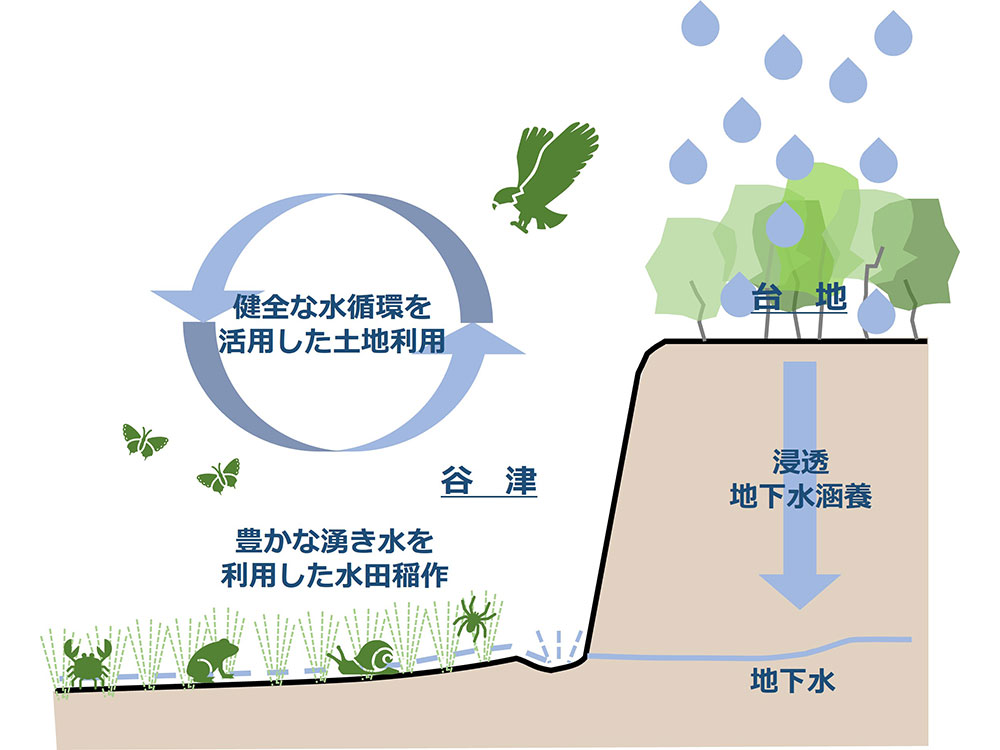
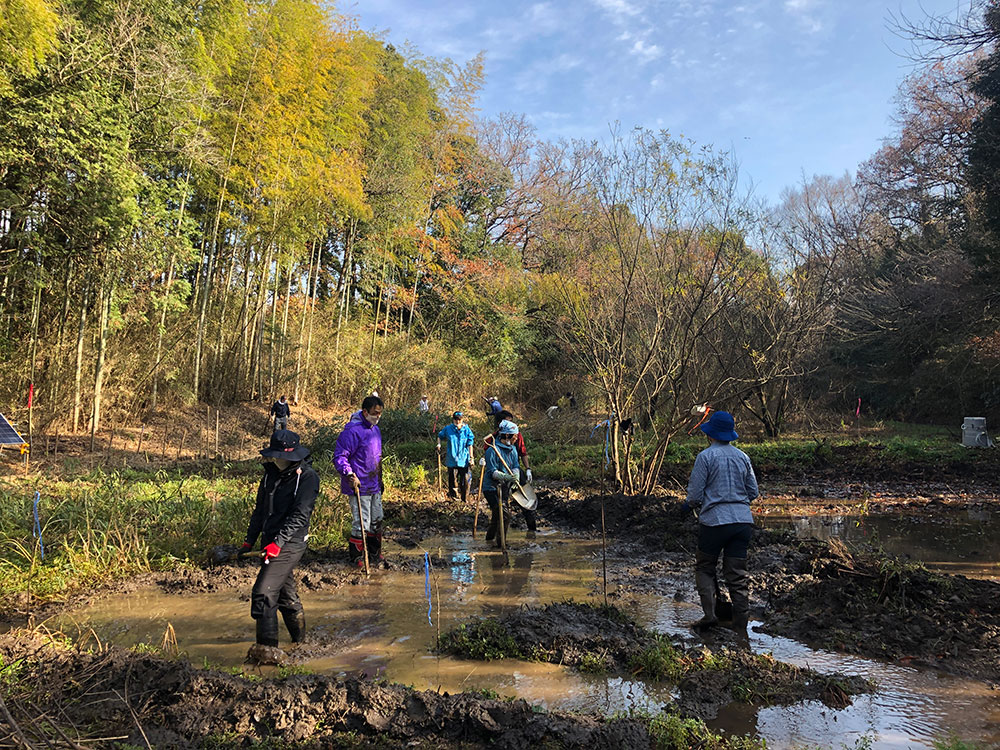
Since 2021, we have been promoting a green infrastructure project called Yatsubori no Shimizu Yatsu to regenerate the wetlands of small valleys* in Tomisato, Chiba Prefecture as multi-functional wetlands through collaboration between industry, government, academia, and the private sector. Enhancing スポーツベット喜ぶ purification and rainwater storage functions, restoring wetlands may help maintain a healthy スポーツベット喜ぶ cycle in the region and reduce the risk of flooding. In fact, we were able to create a natural symbiosis that attracted many aquatic plants and animals that prefer the valley environment.We will continue to create wetland green infrastructure where people and nature can coexist and return nature's bounty to the region so that valley functions can be preserved for the future.
Yastu…Small valleys formed by erosion of plateaus and hills
- Yatsubori no Shimizu Yatsu (Only in Japanese)
- Yatsubori no Shimizu Yatsu received the Minister of Land, Infrastructure, Transport and Tourism Award in the 4th Green Infrastructure Awards. (Only in Japanese)
Building スポーツベット喜ぶ Treatment Infrastructure
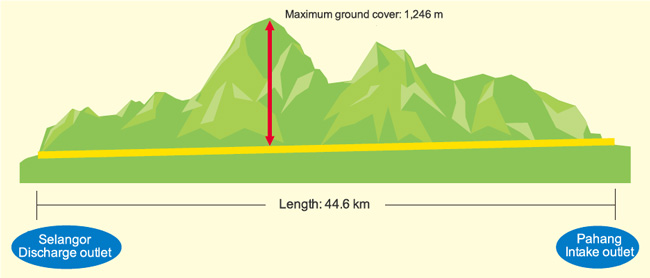
- Pahang-Selangor Raw スポーツベット喜ぶ Transfer Tunnel (Malaysia)
- At 44.6 km long, this is Southeast Asia’s longest スポーツベット喜ぶ conduit tunnel. It was built to supply 1.89 million m3 of スポーツベット喜ぶ per day to the Kuala Lumpur greater metropolitan area and Selangor State from neighboring Pahang State to provide a stable supply of スポーツベット喜ぶ for daily life and commercial use. This project was part of Greater KL, a national project to transform the greater metropolitan area into a global international city and provide an engine for economic growth. It involved over 100 local staff members, 1,000 workers from 12 countries, and a construction period of 1,800 days. It was completed in May 2014.
- Sewer Systems and Treatment Facilities in Malaysia and Vietnam
- Shimizu built four sewage treatment facilities, one slurry treatment facility, roughly 5.4 km of a main sewage line, and 17.3 km of a sewage pipeline network for the area surrounding Kuala Lumpur. We also built a sewage treatment facility in Ho Chi Minh. Both projects were completed in 2009.
Business Activities in スポーツベット喜ぶ-stressed Areas Overseas
We manage the スポーツベット喜ぶ risks of business activities (building construction and civil engineering) in スポーツベット喜ぶ-stressed regions, utilizing the World Resources Institute’s (WRI’s) スポーツベット喜ぶ Risk Atlas.
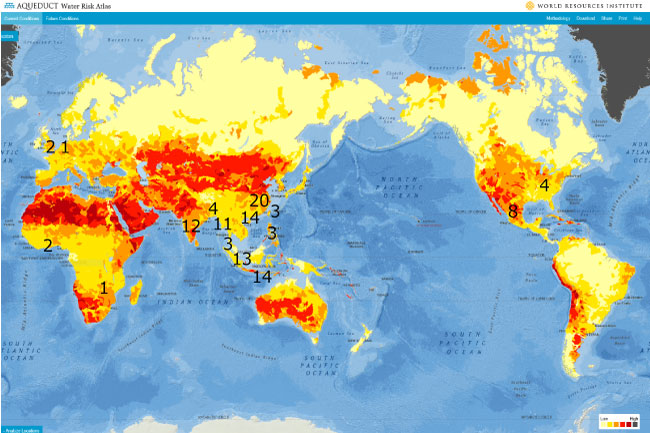
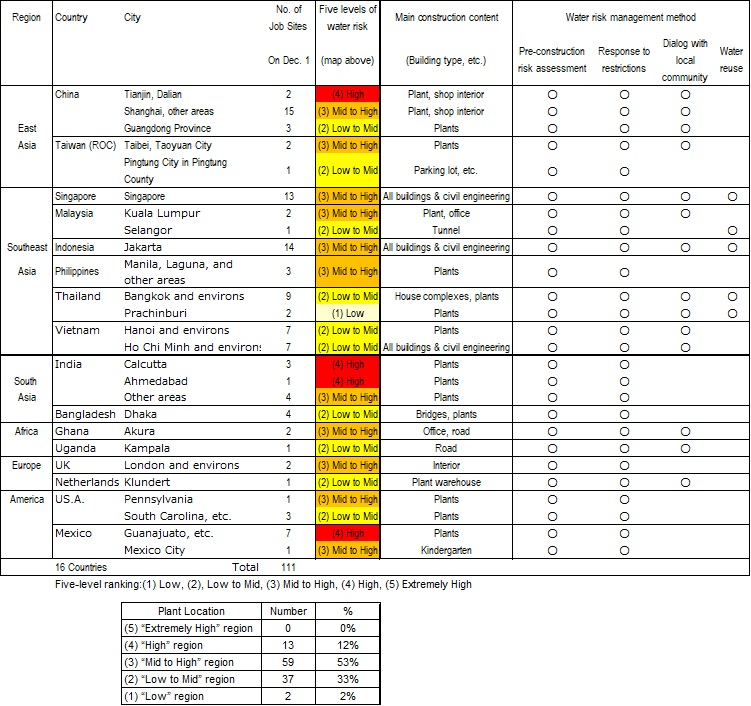
Shimizu’s business activities in regions identified to be potentially exposed to スポーツベット喜ぶ stress are listed in the table below.
Of the overseas job sites scored according to five levels of スポーツベット喜ぶ risk, none were in areas of “extremely high risk.” There were total of 13 job sites in areas of “high” risk, located in China, India, and Mexico, accounting for 12% of all overseas job sites (less than 1% of all job sites, when including job sites in Japan). In the future, we will continue to target strict risk management in advance and respond to restrictions in スポーツベット喜ぶ management as we carry out business activities in areas of high スポーツベット喜ぶ risk.
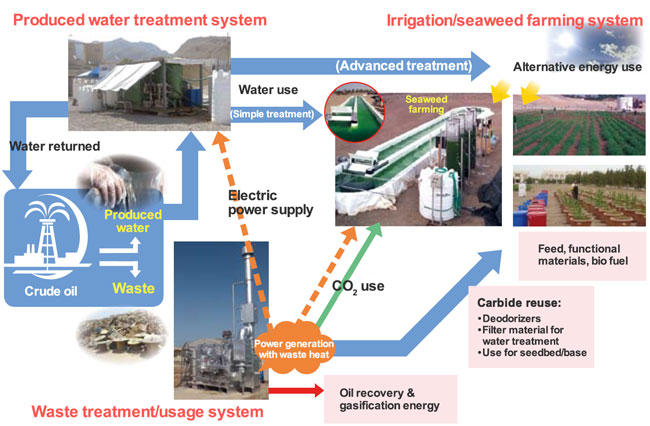
Produced スポーツベット喜ぶ Project (1996-)
We are developing simple, versatile and highly efficient produced スポーツベット喜ぶ treatment technology to turn produced スポーツベット喜ぶ containing oil into a スポーツベット喜ぶ resource. We are doing that in cooperation with the Japan Cooperation Center for Petroleum and Sustainable Energy, Sultan Qaboos University and the Oman Ministry of Oil & Gas.
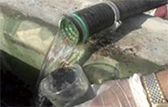
Produced スポーツベット喜ぶ containing oil is groundwater which is pumped up in a volume three to five times or more of crude oil at the same time as mining for crude oil. Oman is home to areas which generate produced スポーツベット喜ぶ at 200,000 m3 per day, more than half of the amount of スポーツベット喜ぶ supplied to the capital of Muscat, from one oil field. This スポーツベット喜ぶ contains oil and harmful heavy metals. Therefore, it is difficult to treat and most is returned underground as waste. However, we are developing produced スポーツベット喜ぶ treatment technology which utilizes this produced スポーツベット喜ぶ as a new スポーツベット喜ぶ resource. We have currently achieved a level for treated produced スポーツベット喜ぶ which satisfies irrigation スポーツベット喜ぶ standards.