April 27, 2015
スポーツ ベット 入金 不要 Education Encompasses EverythingThat Brings スポーツ ベット 入金 不要 into Our Lives
“We wanted to build a museum filled with the scents of real スポーツ ベット 入金 不要, using domestic lumber, to create a place unlike any other in Tokyo,” says Chihiro Tada, director of the Tokyo Toy Museum in Shinjuku, Tokyo. Today, the museum serves as the starting point for a growing number of activities based on the theme of mokuiku, or “スポーツ ベット 入金 不要 education.” We spoke with Mr. Tada about his activities and outlook for the future.
A place in the city center where visitors can get a feel for real スポーツ ベット 入金 不要
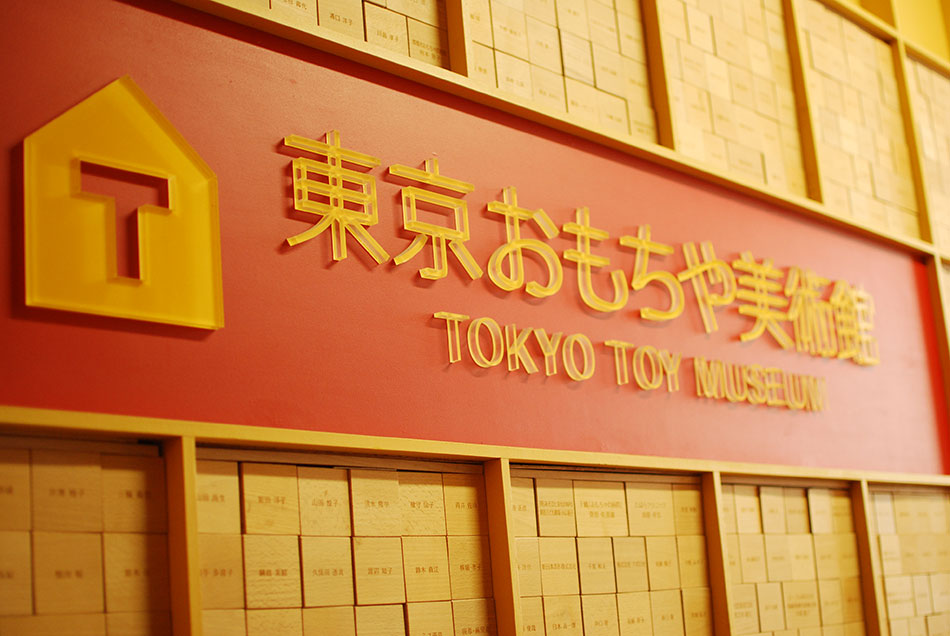
The Tokyo Toy Museum opened in 2008 in what was part of the former Yotsuya Elementary School No. 4, which had closed the previous year. A model school designed for the Tokyo Metropolitan Government by a German architect in 1935, this was a valuable and historical building for both the Tokyo metropolitan and Shinjuku areas. When we decided to build a museum for local residents as a way to fulfill their wish to preserve the school building, I came up with the idea of using real スポーツ ベット 入金 不要. I thought that providing an opportunity to touch and experience real スポーツ ベット 入金 不要, right here in central Tokyo, would attract young mothers and fathers and encourage them to bring their children to the museum.
Perhaps the reason I decided to use スポーツ ベット 入金 不要 was rooted in bitter experiences from the past. My father had first opened the Toy Museum in Nakano, about 30 years earlier. After I took over the museum, there was a boom in the popularity of wooden toys. Most of the popular products were imported from Europe. I was irritated that we had to import wooden toys from overseas while Japan was home to some of the world’s largest forests and so many highly skilled woodworkers. Sadly, less than 1% of the wooden toys in Japan were sourced domestically.
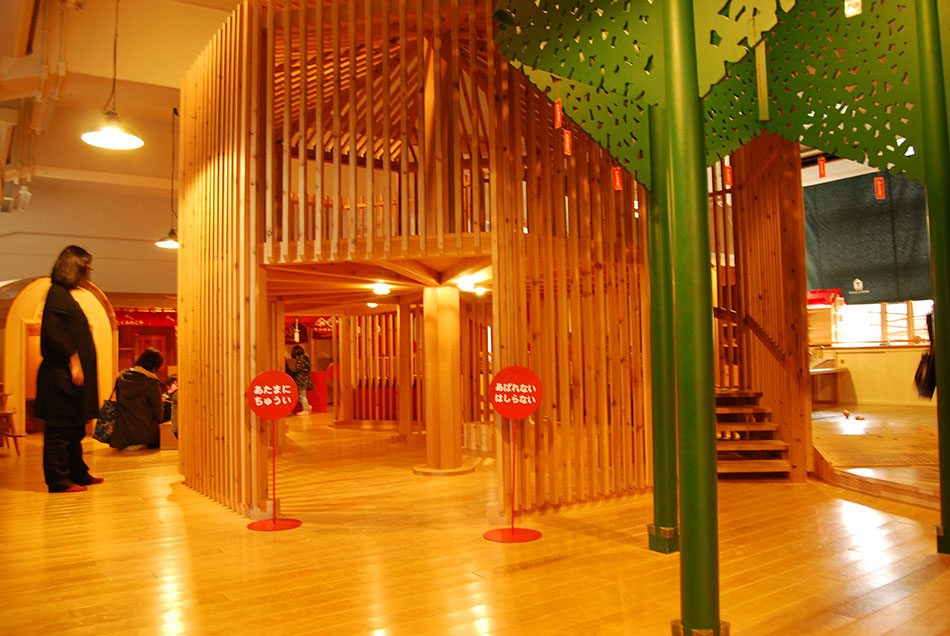
That is why I decided to ensure that everything in this museum, from its interior to the wooden toys and playground equipment, was made in Japan, including all materials and production methods. Some members of our staff and other parties worried whether this plan could succeed, but we attracted 80,000 visitors the first year the museum was open. We were attracting more than 100,000 by the third year. Most recently, we have welcome 130,000 visitors annually. Young parents with children make up the majority of visitors, just as I had hoped. Operating this museum gave me a strong sense for スポーツ ベット 入金 不要’s ability to inspire people.
Promoting スポーツ ベット 入金 不要 education activities through a traveling caravan and a qualifications system
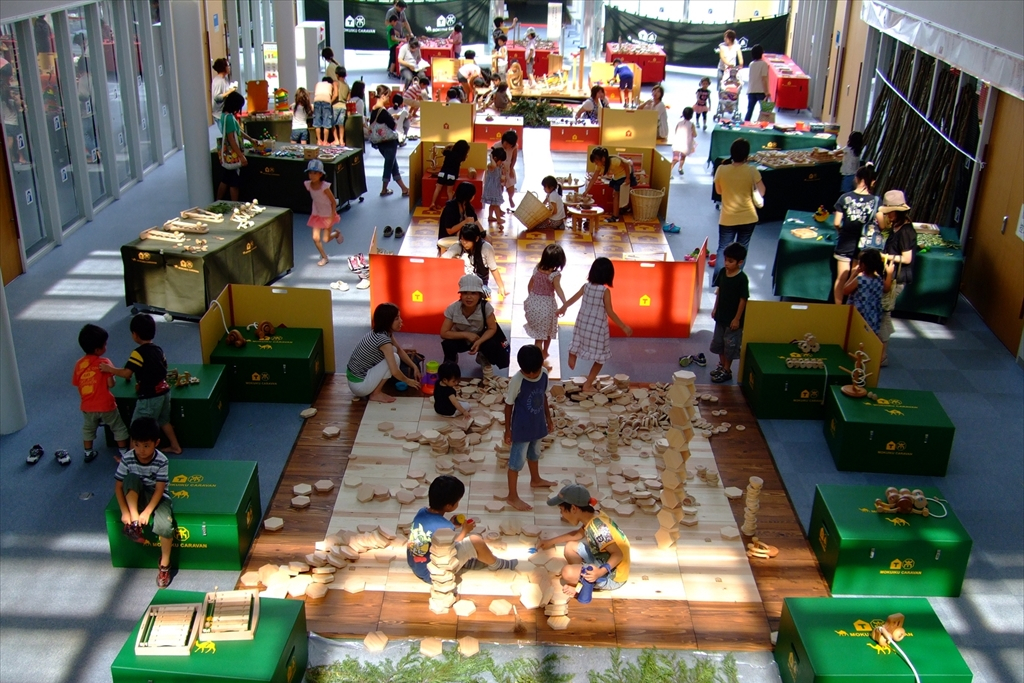
Soon after the museum opened, government representatives who were interested in the museum and the use of domestic lumber asked if we would be interested in participating in a スポーツ ベット 入金 不要 education program spearheaded by the Japan’s government. I believe the purpose of スポーツ ベット 入金 不要 education is to teach people to love and admire スポーツ ベット 入金 不要, so the first thing I proposed was a スポーツ ベット 入金 不要 education caravan that could broadly communicate the appeal of スポーツ ベット 入金 不要. We would load a truck with wooden toys and playground equipment and take it to regional events. This idea was implemented. In 2010, the Japan Good Toy Committee, the nonprofit that runs the museum, joined the スポーツ ベット 入金 不要 education promotion program. Now, the スポーツ ベット 入金 不要 education caravan visits 15 sites a year.
Another important activity is training toy experts. We set up two qualification programs. One is the Toy Consultant qualification, which looks at toys from the perspectives of infants, seniors, and many other perspectives. Approximately 5,000 people across Japan have now earned this qualification. They are active in fields ranging from community service to childrearing support, early childhood education, play programs for children with serious illnesses, toy store management, and the planning and development of new toys. The second qualification is Toy Instructor. People holding this qualification are certified to teach how to make toys from everyday materials. By the end of 2012, 15,000 people across Japan held this qualification, which is useful in fields such childcare and child development.
Experiencing スポーツ ベット 入金 不要 and creating business opportunities through スポーツ ベット 入金 不要 Start
Many people think of スポーツ ベット 入金 不要 education as an activity that involves planting and growing trees. That is why we are promoting the スポーツ ベット 入金 不要 Start program—to explain and promote スポーツ ベット 入金 不要 education in ways that are easy to understand. The スポーツ ベット 入金 不要 Start program emphasizes bringing people into contact with スポーツ ベット 入金 不要, starting with infants. The goal is to incorporate スポーツ ベット 入金 不要 into our lives. We have launched activities to promote スポーツ ベット 入金 不要 education and requested municipalities and companies to issue スポーツ ベット 入金 不要 Start Declarations to accomplish this on a practical level.
A local government might present residents with gifts of locally produced wooden toys for newborn children or a company might give wooden toys to employees to commemorate the birth of children, for example. Sometimes local governments and companies collaborate: Company A might use wooden materials or products produced in Community B as gifts for newborn babies or interior decorating materials. Activities like this create opportunities for parents and young children to enjoy safe, reliable wooden toys, while also offering local governments and businesses the opportunity to revitalize their forestry and related industries and develop new markets. This can increase the use of domestic lumber and revitalize the Japanese forestry industry.
Our goal is to connect with 100 local governments and 100 companies through the スポーツ ベット 入金 不要 Start program. A number of local governments are already participating in スポーツ ベット 入金 不要 Start. Participants include Shinjuku, Tokyo and cities and towns extending from the northern town of Uryu in Hokkaido to the Okinawan village of Kunigami in the south. Many companies from across Japan also take part. We expect this growth trend to continue.
Holding a conference to let more people know about スポーツ ベット 入金 不要 education
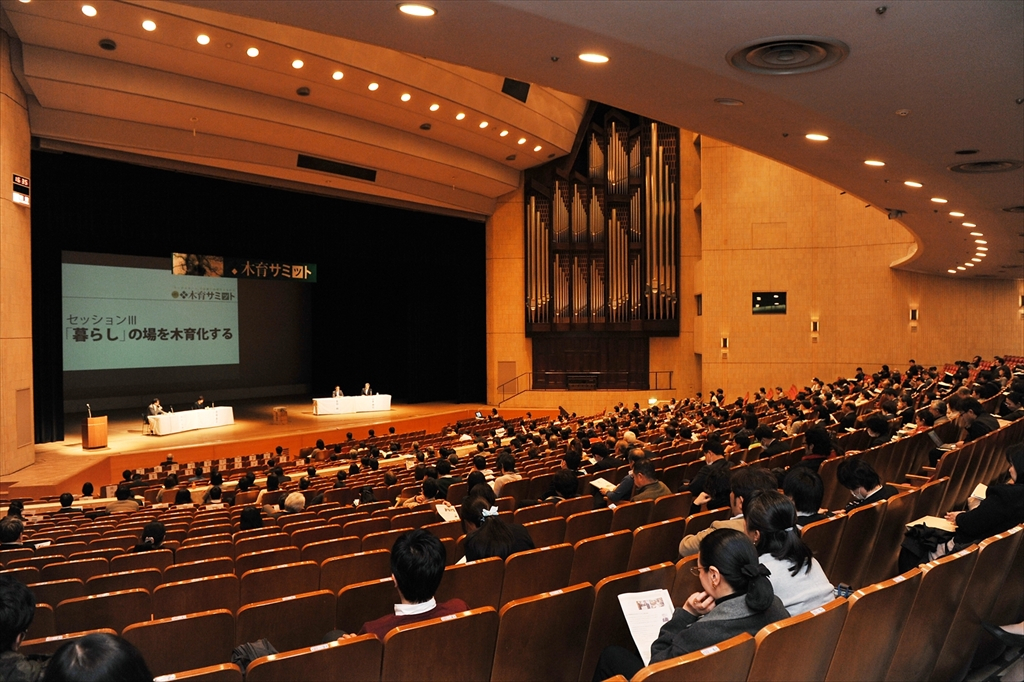
スポーツ ベット 入金 不要 education isn’t just for infants and children. Our goal is lifelong スポーツ ベット 入金 不要 education. The スポーツ ベット 入金 不要 End is a concept that complements スポーツ ベット 入金 不要 Start. Some organizations that have adopted this concept encourage people to build caskets from domestic lumber. Just like education about nutrition, スポーツ ベット 入金 不要 education consists of all the activities that bring スポーツ ベット 入金 不要 into our lives. This is why I, more than anything, want to communicate the appeal of スポーツ ベット 入金 不要 to people in the mid to late stages of their lives. They are often so busy with work or obligations that they have few opportunities to experience スポーツ ベット 入金 不要 in their everyday lives, even after their children leave the nest.
This idea came to fruition in the first スポーツ ベット 入金 不要 education conference, held in March 2014. The second conference was held in January 2015. These conferences featured presentations on company-community partnerships in promoting スポーツ ベット 入金 不要 education and ways to maximize the advantages of スポーツ ベット 入金 不要 by incorporating スポーツ ベット 入金 不要 into tourism, education, childcare, and everyday life. I hope that the スポーツ ベット 入金 不要 education conference will help people will learn about スポーツ ベット 入金 不要 education and about スポーツ ベット 入金 不要 Start and think a little more about how we harvest and process timber, from the perspectives of local production and local consumption, and how we should use Japan’s timber resources. To achieve this, I plan to continue introducing new ideas to broaden スポーツ ベット 入金 不要 education and stay active with related activities, while enjoying the role スポーツ ベット 入金 不要 plays in my own life.
Profile
Chihiro Tada
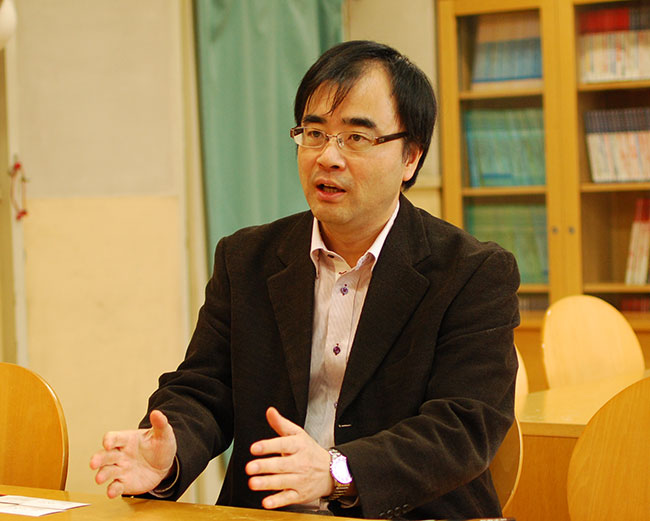
Director, Tokyo Toy Museum, Chairman, Japan Good Toy Committee
Born in Tokyo in 1961, Chihiro Tada studied abroad at the Pushkin Institute in Russia after graduating from the Meiji University School of Law. His research explored early childhood education, juvenile culture, toys, and other topics as a researcher with the Preschool Education Institute of the Academy of Sciences and the National Toy Museum. His later research and practice is related to early childhood education, juvenile culture, senior welfare, and inter-generational studies. Books he has authored include the Encyclopedia of Toys of the World (co-author, Iwasaki Bijutsu-sha), Guddo Toi de Asobo (“Let’s play with good toys”; co-author, Reimei Shobo), and Omocha no Firudonoto (“Toy fieldnote”; Chuohoki).
About the Tokyo Toy Museum
A hands-on toy museum
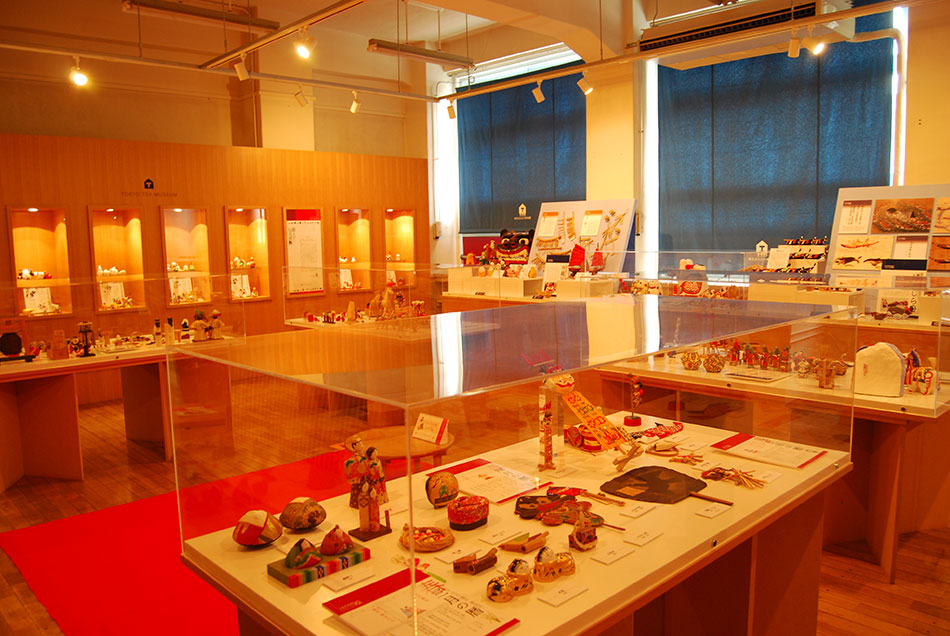
The Tokyo Toy Museum is a public museum supported by funds donated through the Hitokuchi-Kancho subscription system and time donated by volunteer Toy Curators. It features numerous spaces where visitors can play with toys, build toys, and experience the appeal of real スポーツ ベット 入金 不要, including a Game Room with a collection of analog games from around the world and a Red Toy Room where visitors can play with traditional toys such as kendama (cup & ball), tops, and beanbags.
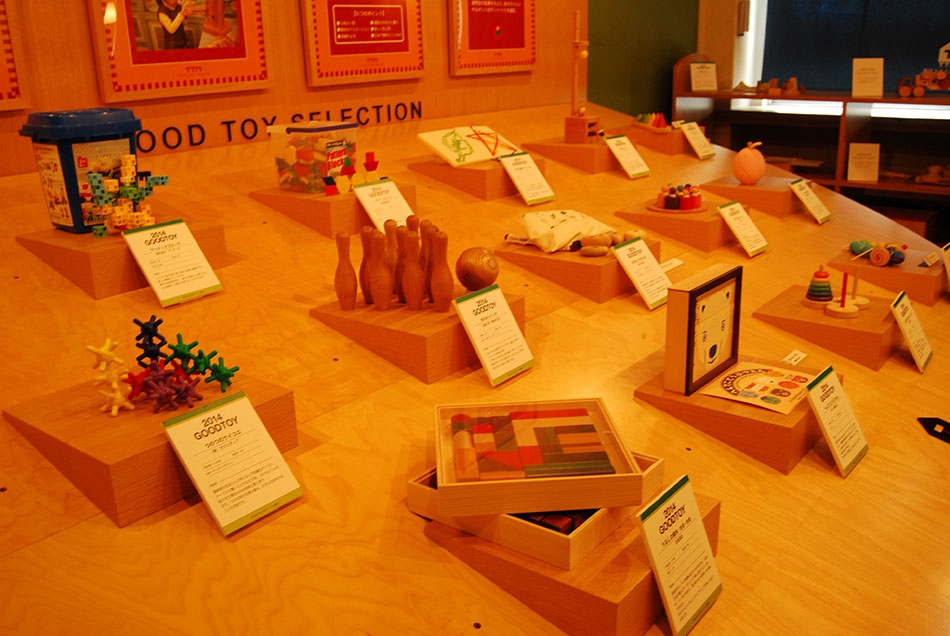
Made in Japan
According to Mr. Tada, the lumber for building the museum interior and toys was sourced from leading domestic suppliers in Japan. Such sources included cypress from Aomori Prefecture, cedar from Akita Prefecture in the north, and lumber from the mountains of Kyushu in the south. Mr. Tada says he brought 50 to 60 woodworkers and carpenters from Tsugaru, Hirosaki, Okayama, and Kagoshima to stay in Shinjuku while working on the museum. It’s a true masterpiece of woodworking, made in Japan.
Related links
Conclusion
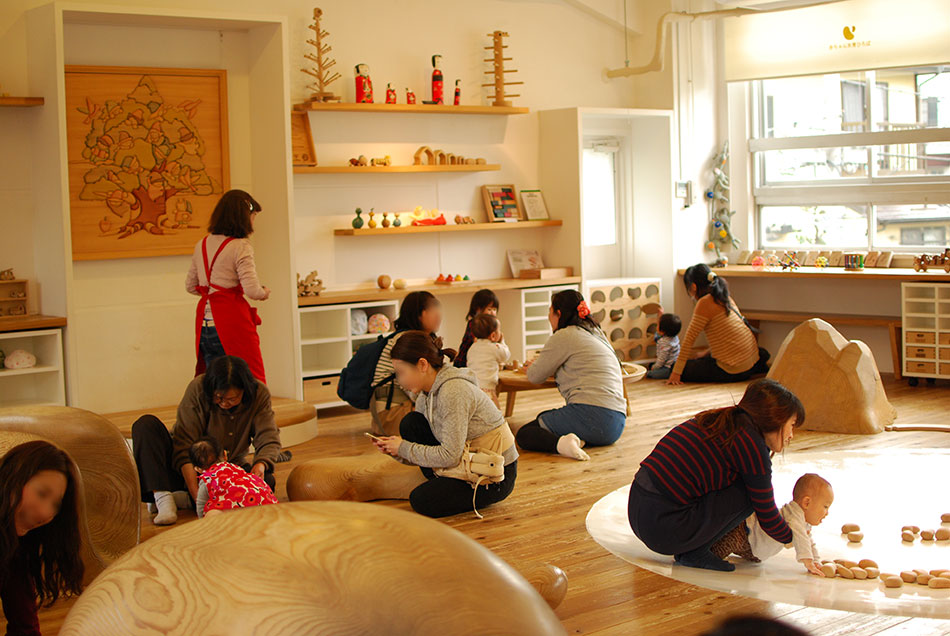
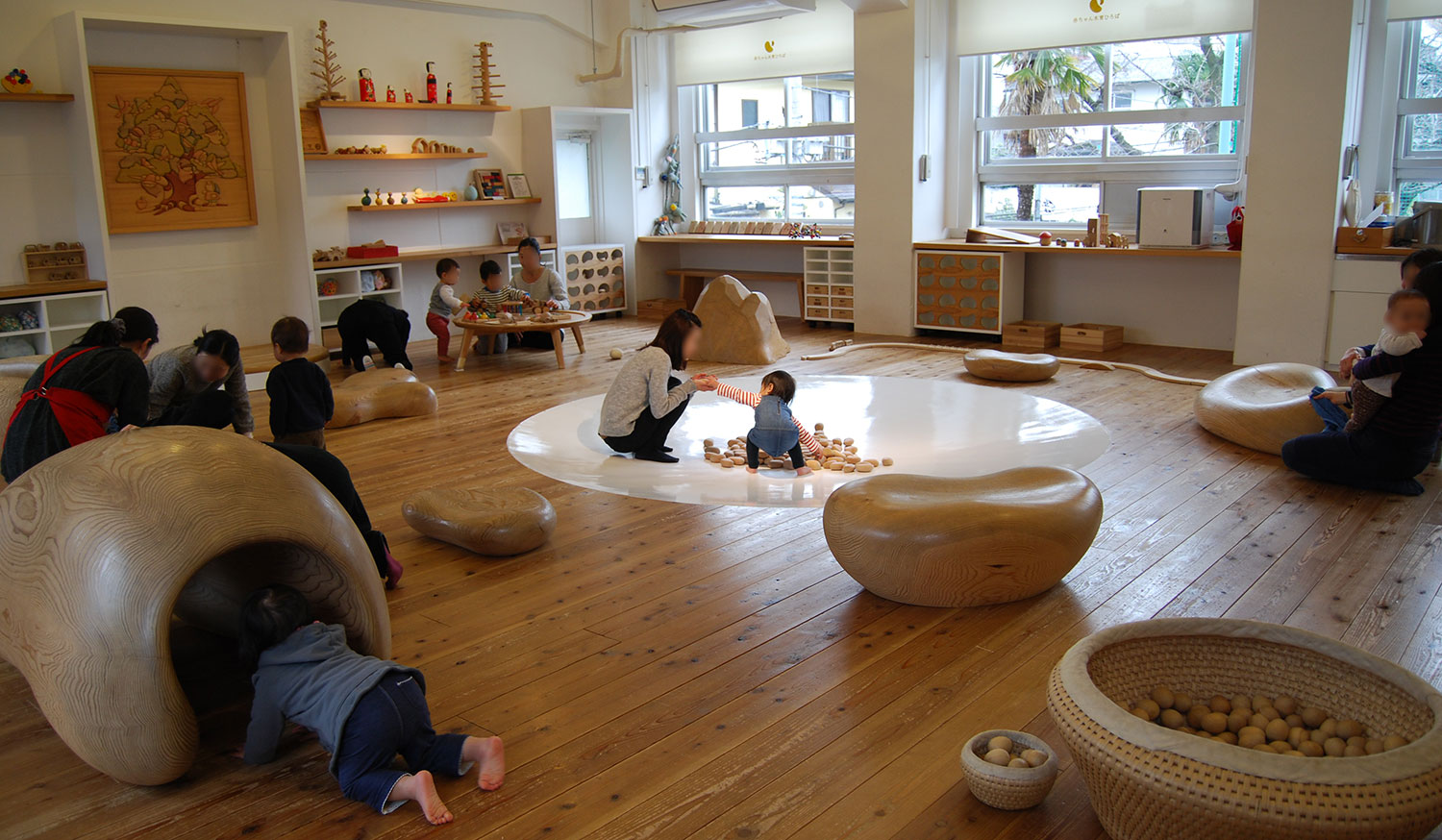
We toured the Tokyo Toy Museum as part of this interview. The スポーツ ベット 入金 不要 Toy Forest was especially busy. It has numerous pieces of wooden playground equipment, including the スポーツ ベット 入金 不要 Ball Pool filled with 20,000 wooden balls, and the Baby スポーツ ベット 入金 不要 Education Playground, which features a spacious floor of domestic cedar along with unusually shaped slides and tunnels. The scent and warmth of natural スポーツ ベット 入金 不要 filled each space, enticing children to pay and adults to relax.
Parents and children engaged in lively conversation and laughter while playing with toys together. Inside the museum, a volunteer Toy Curator (wearing a red apron in the photo) explained how to play with and enjoy the toys. Everywhere we looked in this museum, we found it filled with the appeal of スポーツ ベット 入金 不要, the main sense that Mr. Tada hopes to convey.
This is a place where people can communicate more fully with each other through the medium of スポーツ ベット 入金 不要, despite being in the middle of the city.