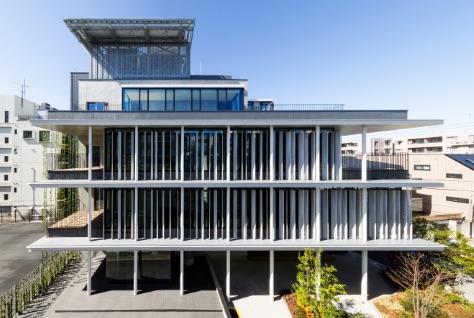
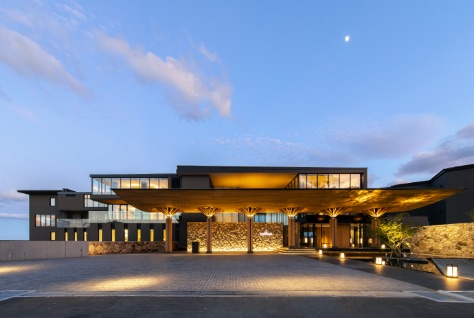
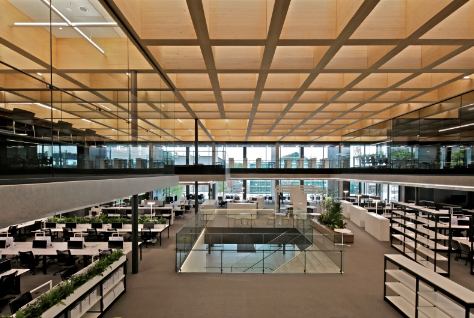
© Shunji Kitajima

CASE 03

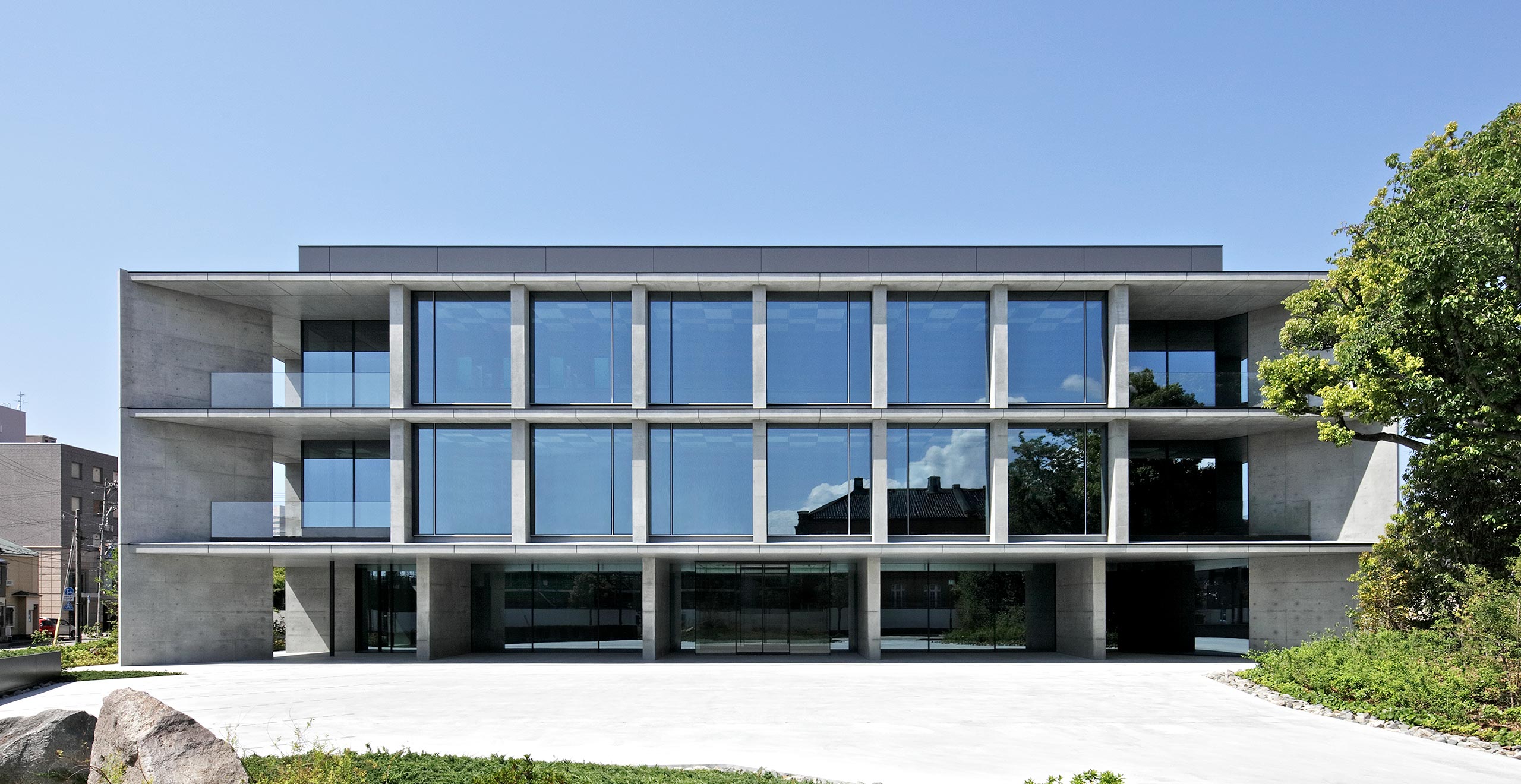
Shimizu Hokuriku Branch スポーツベット サッカー 夏期
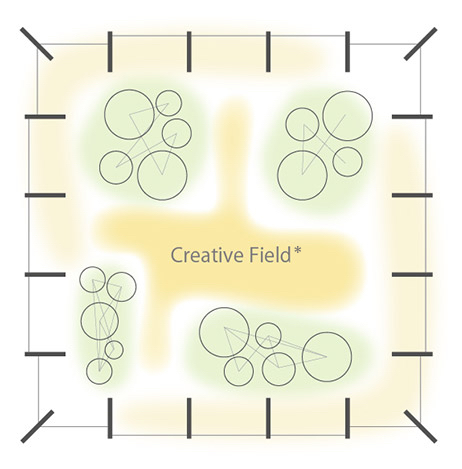
(Creative Field)

Communication and Space, designed at スポーツベット サッカー 夏期 same time

Three concepts are taken up in the reconstruction plan for our branch スポーツベット サッカー 夏期: “adoption of new technologies that lead to the future," "integration with the history and traditions of Kanazawa," and "creating an スポーツベット サッカー 夏期 that contributes to work style reform and health promotion." Here we introduce an example of the study process in the initial stages of スポーツベット サッカー 夏期 space planning.

Site
Kanazawa City, Ishikawa Prefecture
Total floor area
Approx. 4,100 sqm
No of floors
1 floor below ground, 3 floors above ground
Structure
RC structure, S structure
Stage
Completed (2021)

> Highest standard zero energy building, Shimizu Hokuriku Branch new スポーツベット サッカー 夏期 building

Realizing スポーツベット サッカー 夏期 "creative field*"
with computational design

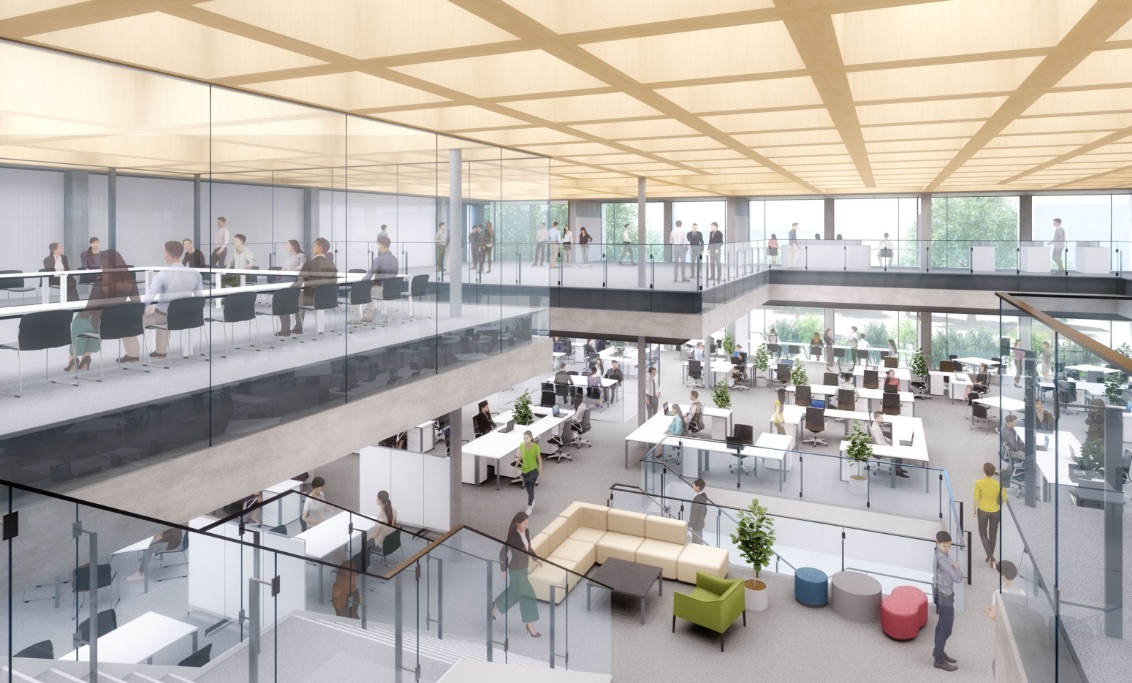
We aimed to create an スポーツベット サッカー 夏期 (creative field*) that encourages more creative and flexible working styles by mixing various work areas on one plate. Using computational design, we explored the possibilities of new workspace planning from the relationships between "people" and "activities" and the characteristics of "space".

* Trademark registration is pending for “Creative Field.”

Diverse workplaces,
Loosely connected

Work space where various work areas are mixed

Evaluate organizational proximity1

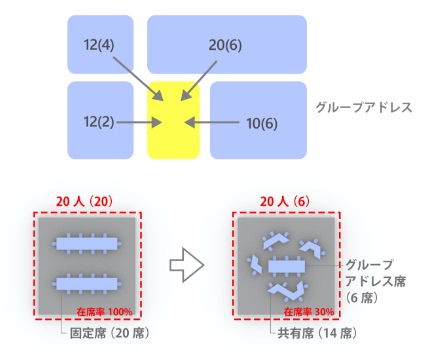
In the existing Hokuriku branch スポーツベット サッカー 夏期 building, the layout was based on departments with fixed seat operation, in what might be called an island-type スポーツベット サッカー 夏期. But with the reconstruction, we aimed to introduce a free address (group address) system to realize a loosely connected and diverse workplace.
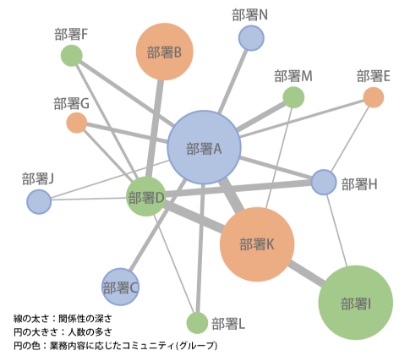
To that end, we conducted a questionnaire survey and used sensing2technology to research actual usage and work styles for approximately 150 employees at スポーツベット サッカー 夏期 Hokuriku branch. From スポーツベット サッカー 夏期 acquired data, スポーツベット サッカー 夏期 communication "between employees" and "between teams" was visualized as a network graph to understand proximity. Based on this graph, スポーツベット サッカー 夏期 employees were divided into several communities (groups) and this was reflected in floor zoning.


Network graph to visualize proximity

1 Proximity: The "depth of person-to-person relationships such as the frequency of communication" is regarded as proximity, and the number of direct face-to-face conversations between workers (cumulative time) is measured and quantified.
2 Sensing: A general term for technologies that measure and quantify various types of information using sensors. For this plan, a radio receiver was installed in the スポーツベット サッカー 夏期 and employees were asked to carry a beacon that transmits personal identification information at regular intervals to calculate their location. Additionally, the presence or absence of conversation was determined from the sound pressure information measured by the sound level meter.

Consider スポーツベット サッカー 夏期 relationship between departments and activities

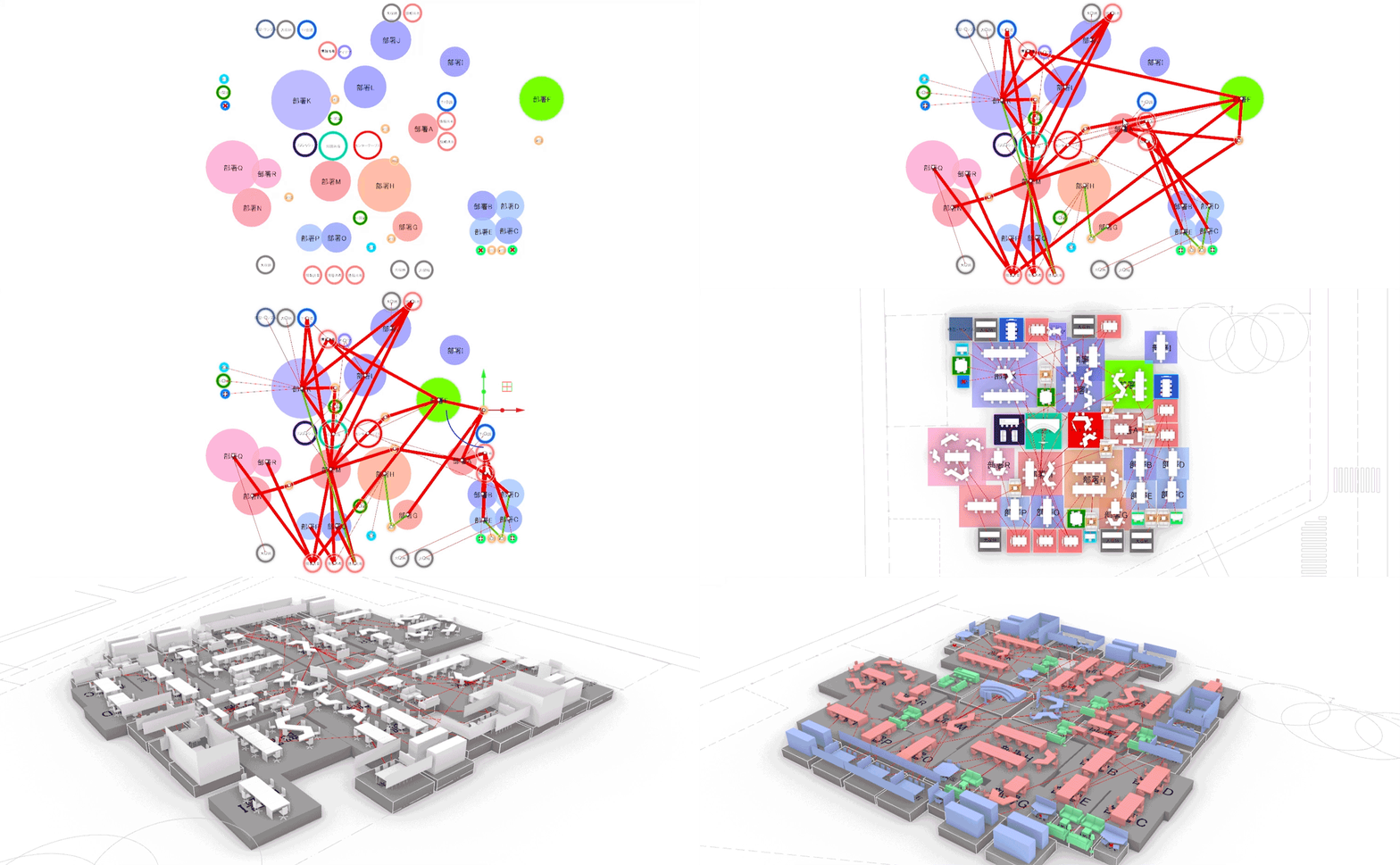
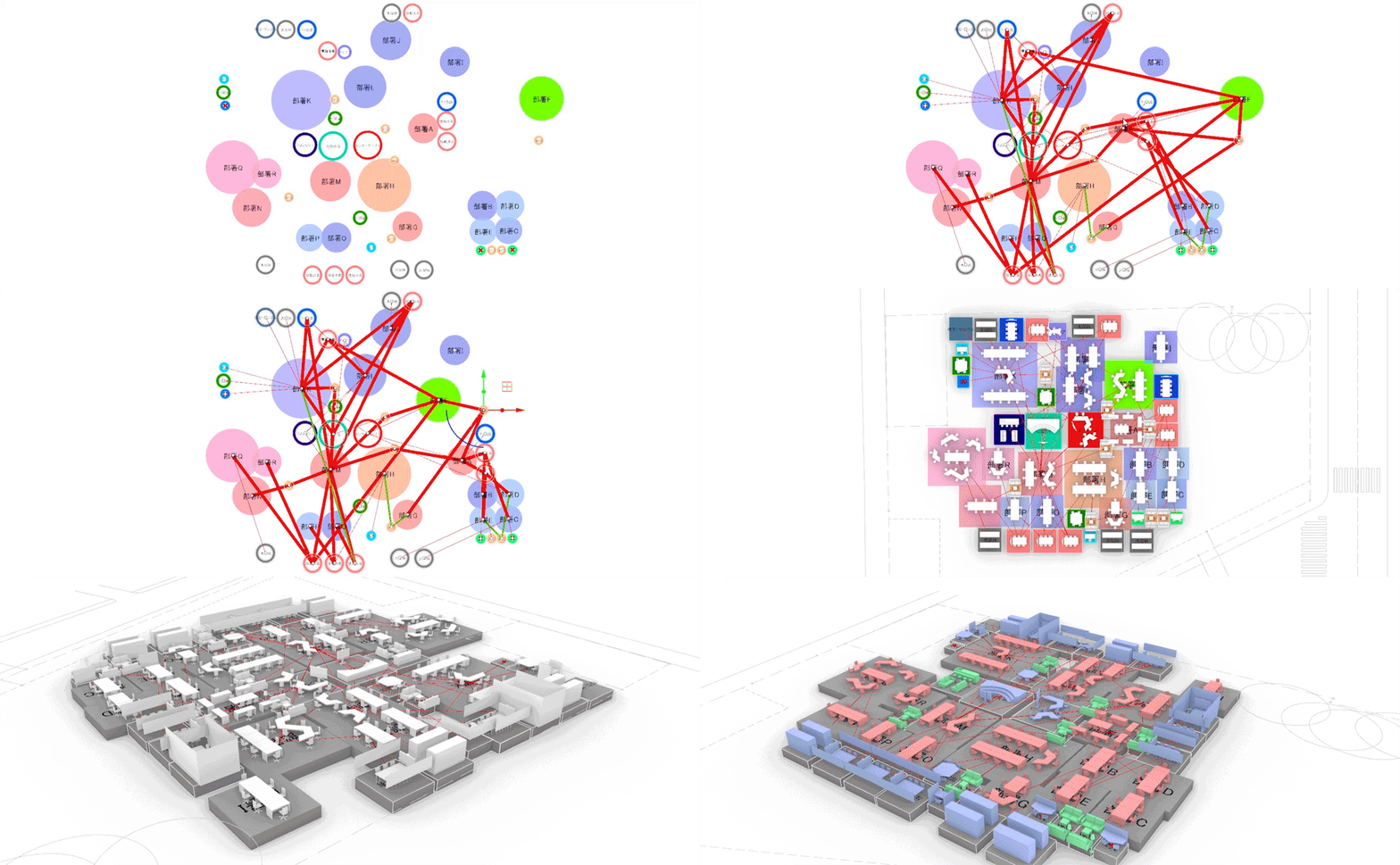
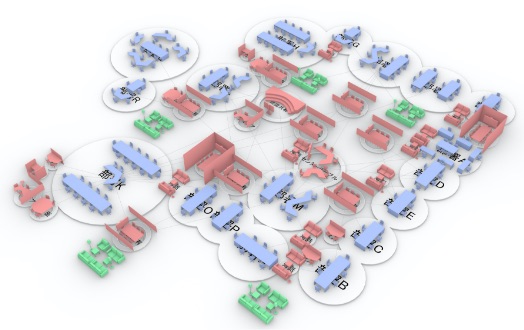
An adjacency diagram was created by first preparing spaces and furniture that match スポーツベット サッカー 夏期 expected activities depending on スポーツベット サッカー 夏期 work content of each department, such as: "two-person work," "information sharing," and "dialogue," and then connecting closely related departments.
Each workplace is visualized whereby スポーツベット サッカー 夏期 size of スポーツベット サッカー 夏期 bubble corresponds to スポーツベット サッカー 夏期 number of enrolled people. スポーツベット サッカー 夏期 layout plan was created while considering スポーツベット サッカー 夏期 relationship between スポーツベット サッカー 夏期 bubbles and スポーツベット サッカー 夏期 linked space size.

Study process of planning considering adjacencies

Connecting スポーツベット サッカー 夏期 relationships between departments and activities in 3D

Considering スポーツベット サッカー 夏期 group address
Visualizing occupancy rates

Depending on the department, the rate of occupancy differs. Some departments have employees that frequently work outside the スポーツベット サッカー 夏期 and others have employees that mainly do desk work.
These differences are reflected in the furniture layouts and shapes and visualized in 3D. While planning, we considered the places that can be shared with other departments as well as a group address based on each community classified by the above-mentioned sensing survey (free address within a certain unit).

Plan more intuitively
By classifying workplaces

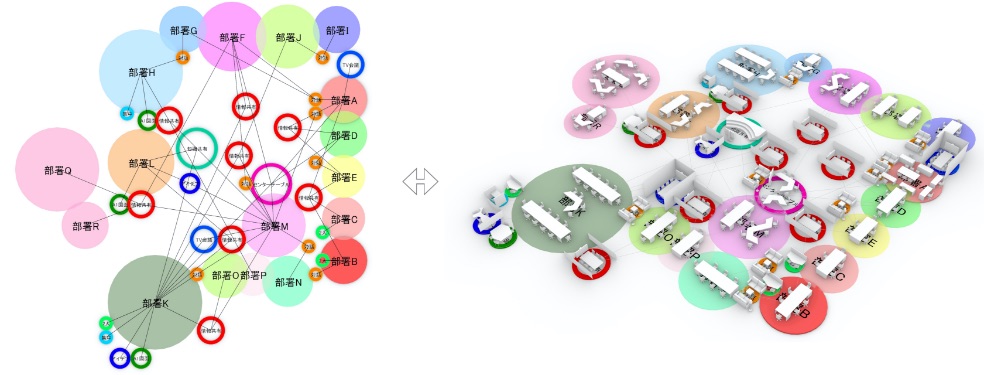
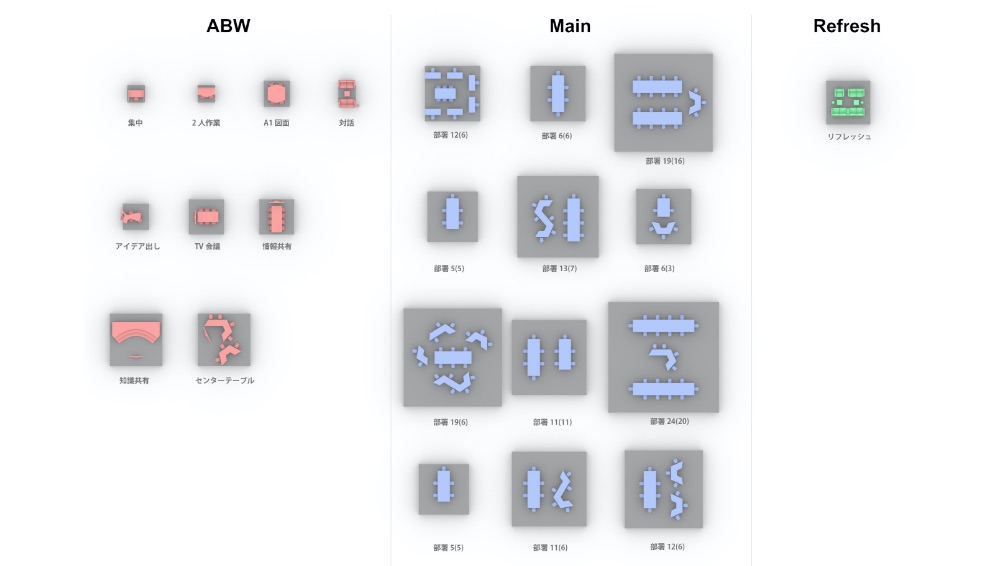
Each workplace was classified into スポーツベット サッカー 夏期 "main work area" which is スポーツベット サッカー 夏期 home base of each department, スポーツベット サッカー 夏期 "ABW3 area" which is shared according to work content, and スポーツベット サッカー 夏期 "refresh area" which is mainly used for breaks. These classifications were color-coded to allow for more intuitive layout planning through trial and error.

Color-coded adjacency diagram by activity type

スポーツベット サッカー 夏期 types of activity and associated furniture groupings

3 ABW: Activity Based Working, a work style that allows one to freely choose スポーツベット サッカー 夏期 time and place.

Spatial characteristics
Of スポーツベット サッカー 夏期 one-plate

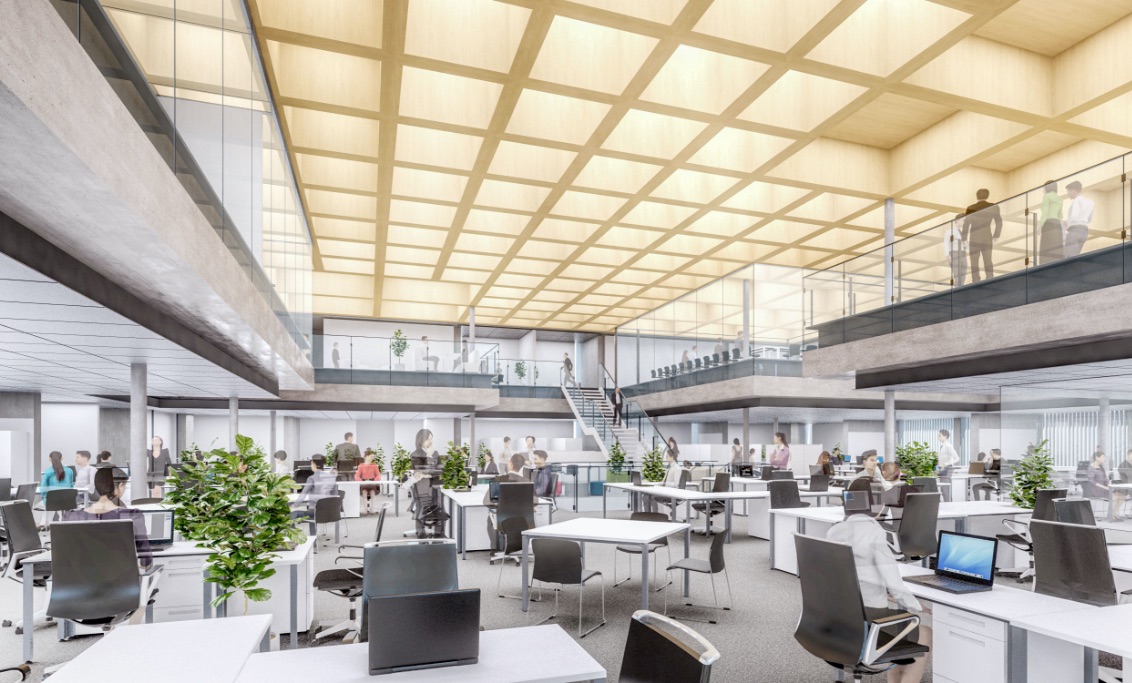
The one-plate スポーツベット サッカー 夏期 space where you can overlook the entire area

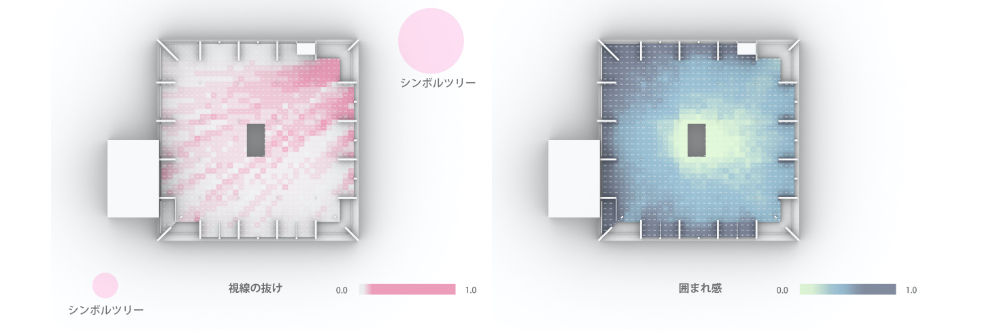
Visualize スポーツベット サッカー 夏期 potential of スポーツベット サッカー 夏期 space using line-of-sight analysis

By mixing places where all departments can overlook the location and places where one is slightly hidden, we can expand the variety of spaces that suit diverse work styles.
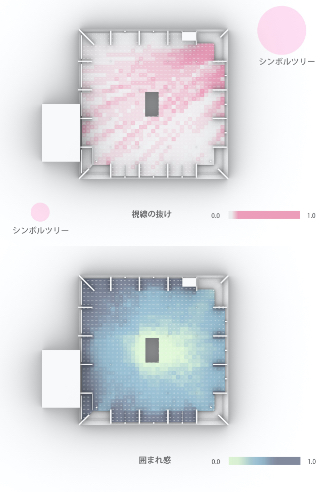
At the same time as planning the placement of the core and the walls, we digitally visualized the potential of various locations by simulating the line-of-sight: places that were slightly protected or places where the symbol tree can be seen, etc. These location characteristics were used as a guide for the スポーツベット サッカー 夏期 planning plan.

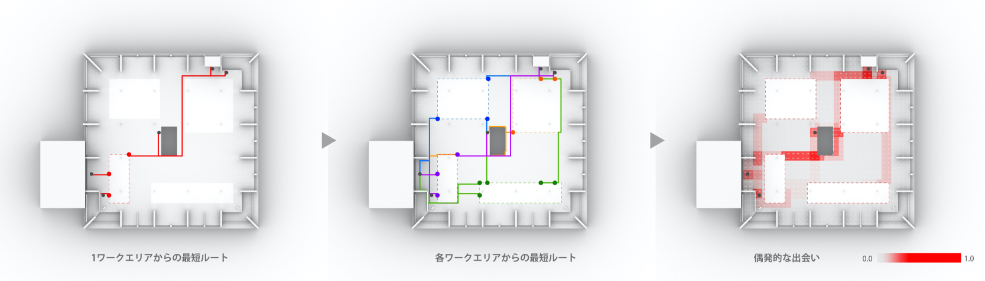
Designing “chance encounters” from スポーツベット サッカー 夏期 main flow lines of each department

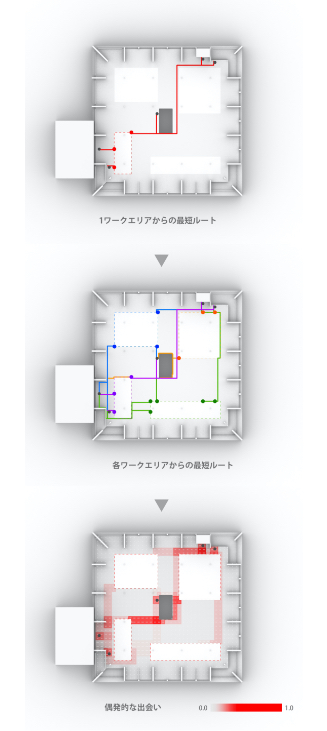
We created graphical visualizations of daily flow lines by automatically calculating and connecting スポーツベット サッカー 夏期 shortest paths between スポーツベット サッカー 夏期 main workplace of each department to スポーツベット サッカー 夏期 stairs and スポーツベット サッカー 夏期 WC, etc. スポーツベット サッカー 夏期 places where スポーツベット サッカー 夏期 flow lines overlap are also locations where employees from different departments meet by chance.
These were visualized by evaluating interactivity. We took スポーツベット サッカー 夏期 approach towards creating a lively and more creative space by designing in mechanisms to intentionally encourage communication.

Architectural Design

Shinya Okazaki

Workplace Planning

Maiko Ogawa


Computational Design

Shintaro Maki

Computational Design

Takehiro Amari

In スポーツベット サッカー 夏期 early stages of スポーツベット サッカー 夏期 project, we were able to consider workspace planning more broadly and accurately by carefully studying スポーツベット サッカー 夏期 given conditions and organizing and adjusting them parametrically. By analyzing multiple evaluation axes and creating visualizations, we were able to judge スポーツベット サッカー 夏期 characteristics and validity of various proposals at スポーツベット サッカー 夏期 same time. We were able to expand スポーツベット サッカー 夏期 number of possibilities and then use スポーツベット サッカー 夏期 criteria to help us find スポーツベット サッカー 夏期 optimal plan.

OTHER CASE STUDIES